
Jennifer Boehme, PhD
GLOS CEO
2023 – Present
“This year marks the 20th anniversary of the Great Lakes Observing System (GLOS). For two decades, GLOS has worked to ensure that everyone who depends on the Great Lakes—from commercial shippers to beachgoers and drinking water managers—has access to reliable, real-time data, when and where they need it most. Whether it’s supporting safe navigation, protecting public health, or providing critical information for emergency response, GLOS plays a vital role in keeping the Great Lakes safe.”






Reflections on 20 Years of GLOS
GLOS began as a revolutionary idea to collect and share open-sourced high quality data for the public at large, including swimmers, fishers, the maritime community, researchers, and utility operators. This allows unprecedented access to information for people to make educated and timely decisions. For the 40 million residents and commercial users of Great Lakes water – to drink, recreate, or traverse its vast expanse – it means safety. It’s exciting to think about what GLOS will bring to the Great Lakes region in the next 5, 10, and 20 years.

Thomas Rayburn
GLOS Board of Directors
2016 – 2025
GLOS delivers a measurable return on investment. From real-time wave, wind, and temperature data that protect commercial shipping routes, to early warnings that help communities prepare for flooding, dangerous currents, or ice hazards, GLOS reduces risk and saves lives. It’s a backbone for regional resilience—supporting fisheries, tourism, infrastructure planning, economic prosperity, and emergency response across the Great Lakes.
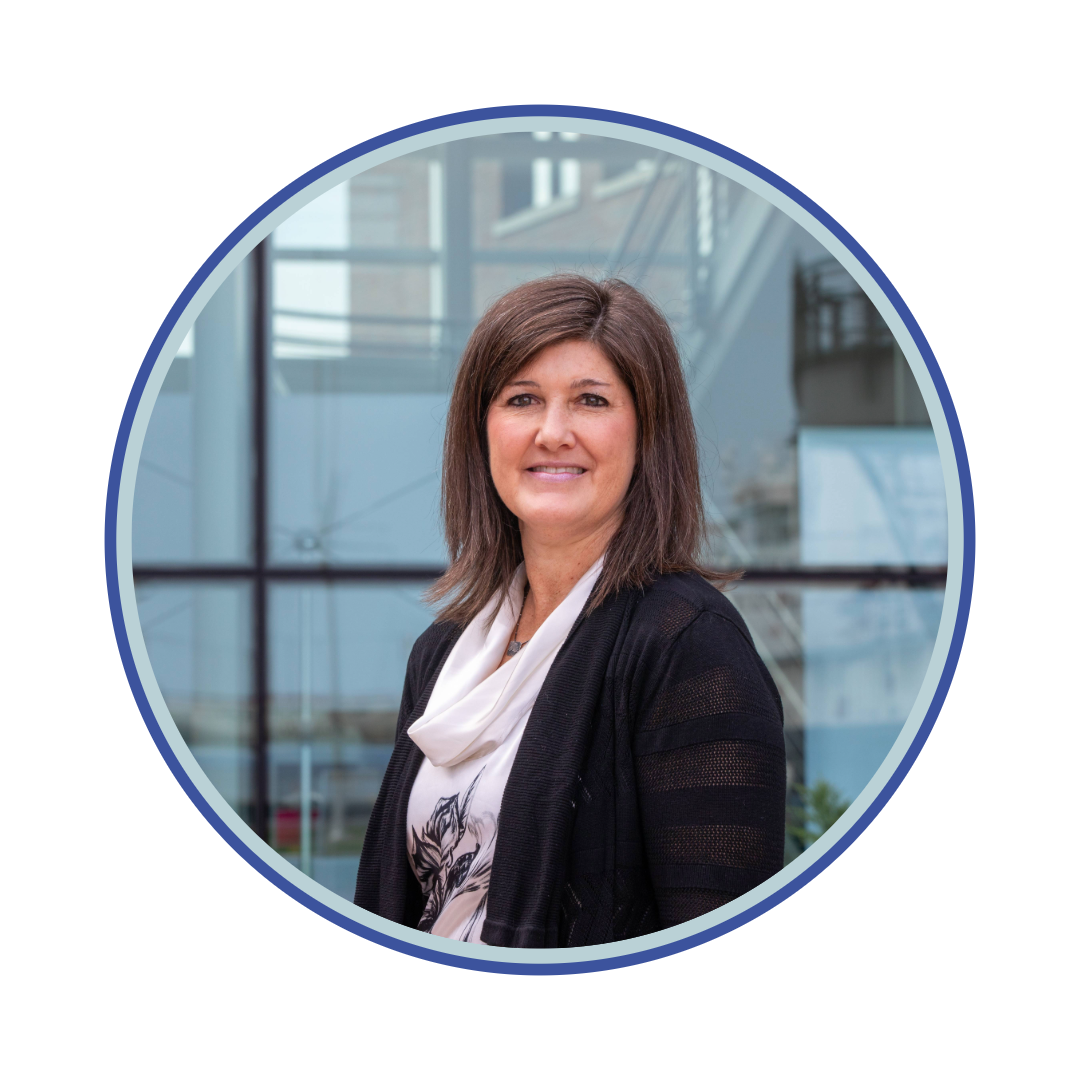
Heather Stirratt
GLOS Board of Directors
2023 – Present
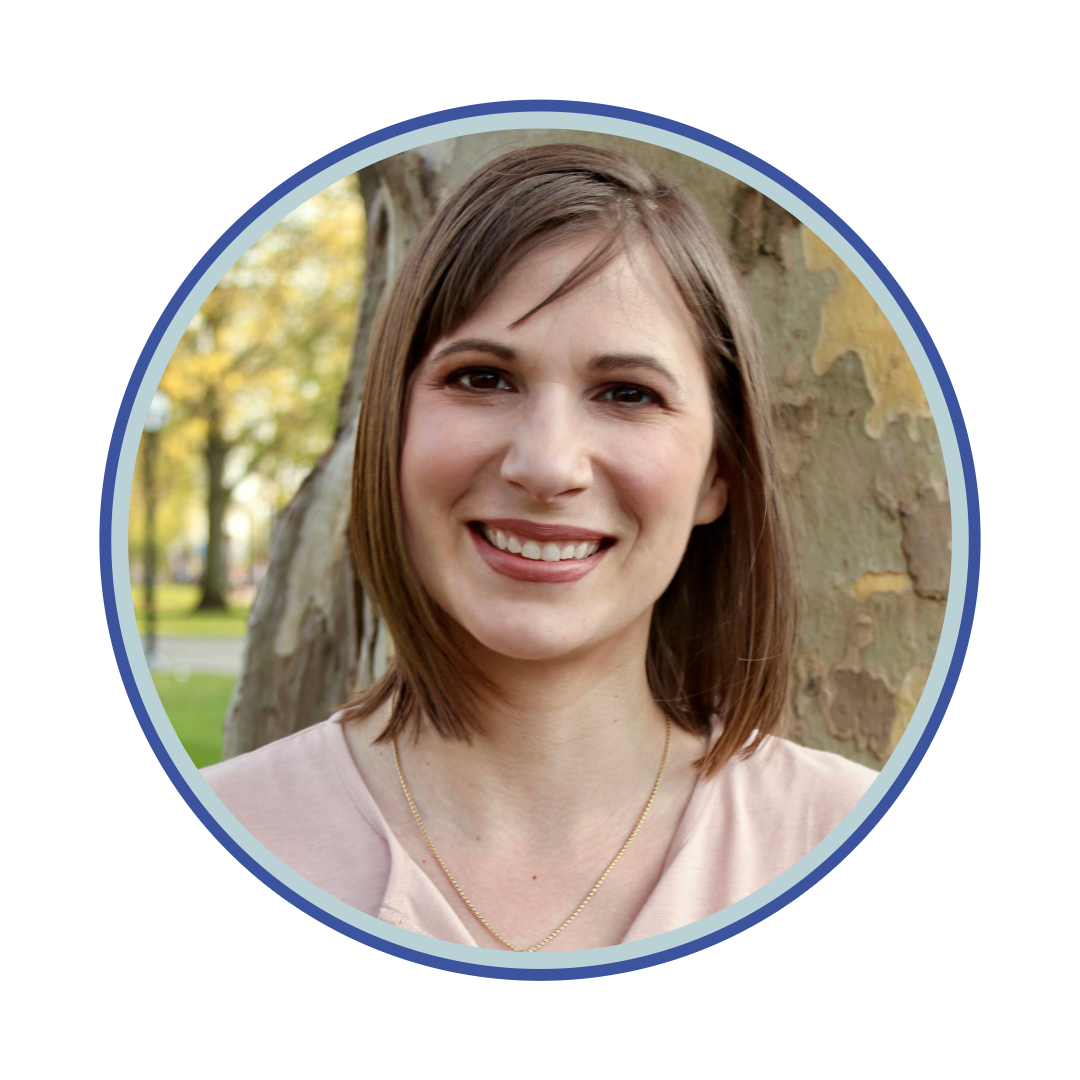
Becky Pearson
GLOS Chief Operations Officer
2016 – 2024
GLOS really exudes creativity in many things. Whether it’s the observing program or keeping up Seagull, or communicating with the public on [heavy] topics. I appreciate the creativity in running the organization and conveying scientific concepts in an imaginative, innovative way.
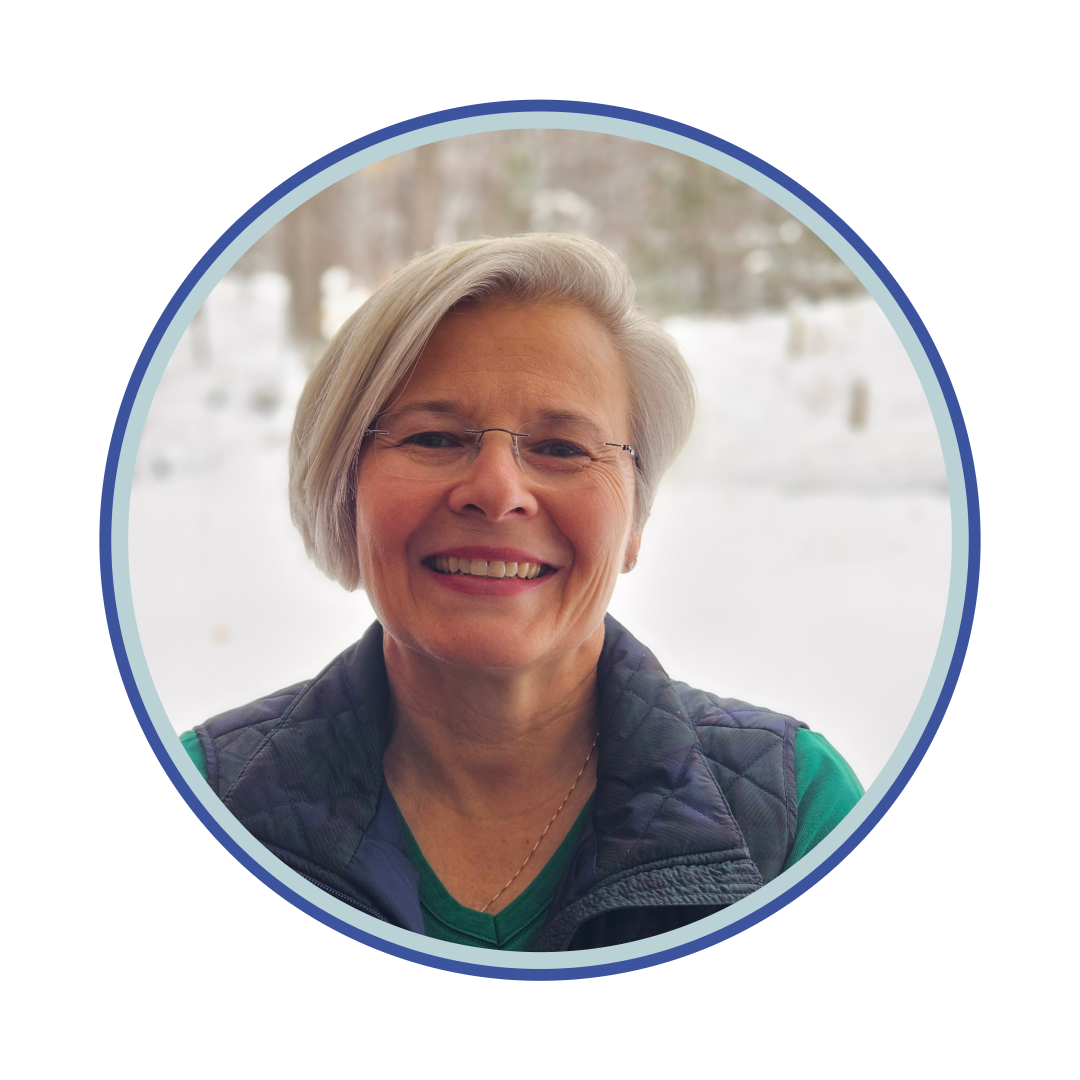
Jen Read
GLOS Executive Director
2008 – 2014
Organizations like GLOS are really important for the future of the Great Lakes. GLOS has the ability to continue to listen carefully and fill the gaps in ways that are really going to be important for the whole basin. There is no one else doing that for data at that level: connecting the data across the border.
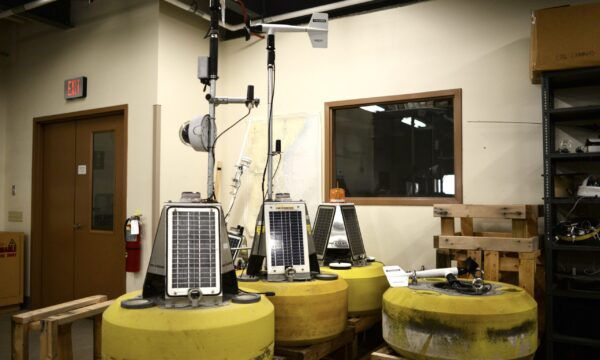
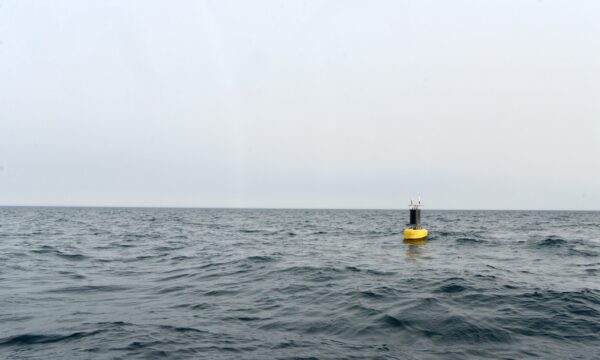
GLOS came on the scene and just amplified the real-time network, which was fantastic. They started funding universities to build systems, and it was an excellent combination of the technology being ready and universities having enough technical staff to build buoys and put them out there. GLOS was just a really wonderful coordinator, to get everybody on the same page.
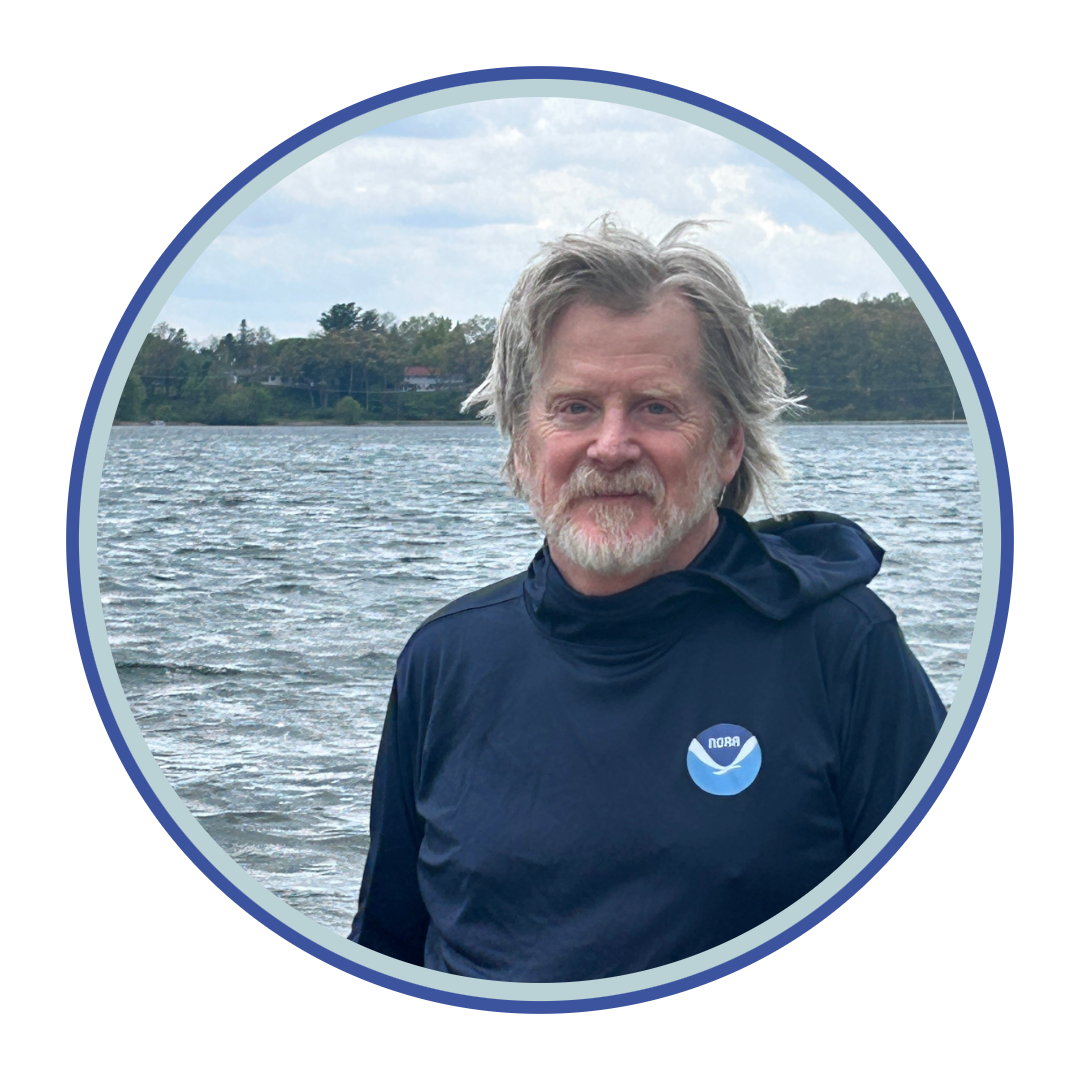
Steve Ruberg
Observing Systems Researcher
NOAA GLERL
I’m just glad that GLOS continues to exist and will continue to exist, to put more Great Lakes data in people’s hands. I don’t think there’s anybody else, there’s no single company that’s going to do that the way GLOS is trying to do it. There needs to be something like GLOS, for us to continue to understand the lakes and to safeguard them.

David Fitch
GLOS Communications Specialist
2018 – 2023
Through the hard work and effort of a lot of people in the Great Lakes region, IOOS included a Great Lakes Regional Association, giving us GLOS. That shifted the way that the federal government and partners around the country and around the world thought of the value of the Great Lakes. It’s huge for anybody who works in the Great Lakes to have that voice out there advocating for the development of the systems that we need in order to understand this region so well.
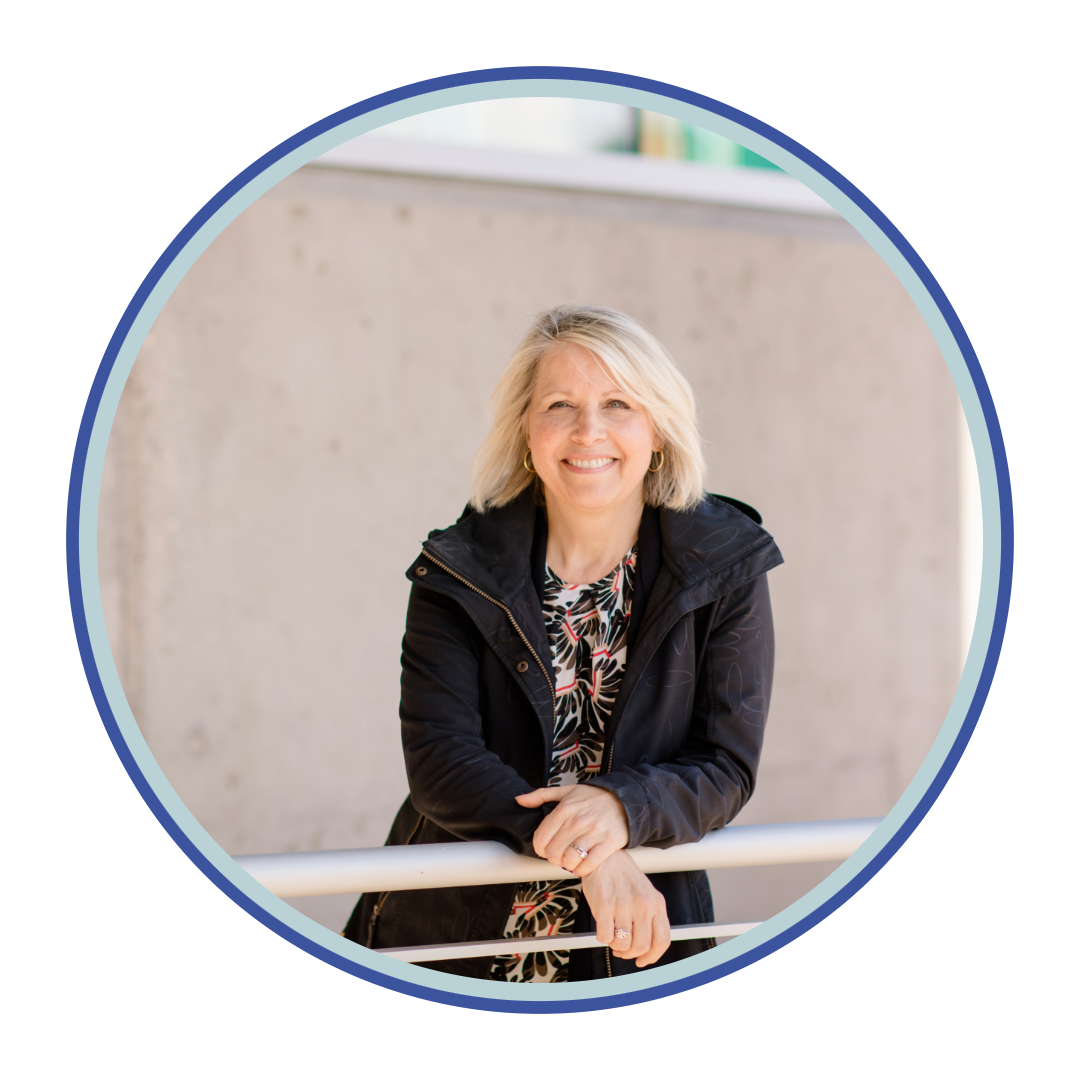
Lorelle Meadows
Physical Oceanographer
20 Years of GLOS – Feature Interviews
Putting the Great Lakes on the Radar – an interview with Physical Oceanographer, Lorelle Meadows
Beginnings of the real-time network – an interview with Observing Systems Researcher, Steve Ruberg
Communicating GLOS – an interview with former Communications Specialist, David Fitch
Big impact and innovation over the years – an interview with former COO, Becky Pearson
From the beginning – an interview with GLOS’ first Executive Director, Jen Read
Reflections from the Board – Interview with new Chair Heather Stirratt
Thank you, Tom – A farewell interview and reflection with GLOS Board Chair Tom Rayburn
The 20th anniversary of the Great Lakes Observing System (GLOS) – a letter from CEO Jennifer Boehme
Share a Memory
So much of GLOS’ history has been intertwined with regional partners, users, and stakeholders. We would not be the organization we have grown into, without the influence and support from our basin-wide community.
If you have benefitted from GLOS projects, partnerships, or data products/resources over the past 20 years, please share your experience with us! Send a brief message and/or a photo from your experience with GLOS.