
 THE GLOS MISSION
OUR MISSION IS TO MAKE GREAT LAKES DATA WORK FOR PEOPLE, ECOSYSTEMS, AND THE ECONOMY
The mission of the Great Lakes Observing System is to provide accurate and reliable information about the Great Lakes’ coastal and open waters on demand.
- Real-time data is critical for navigation safety, public health, and strong regional economies.
- We are the integration layer — coordinating observations, managing data, and delivering information for decisions.
- We serve maritime operators, beach managers, water utilities, researchers, and communities across 8 states and 2 provinces.
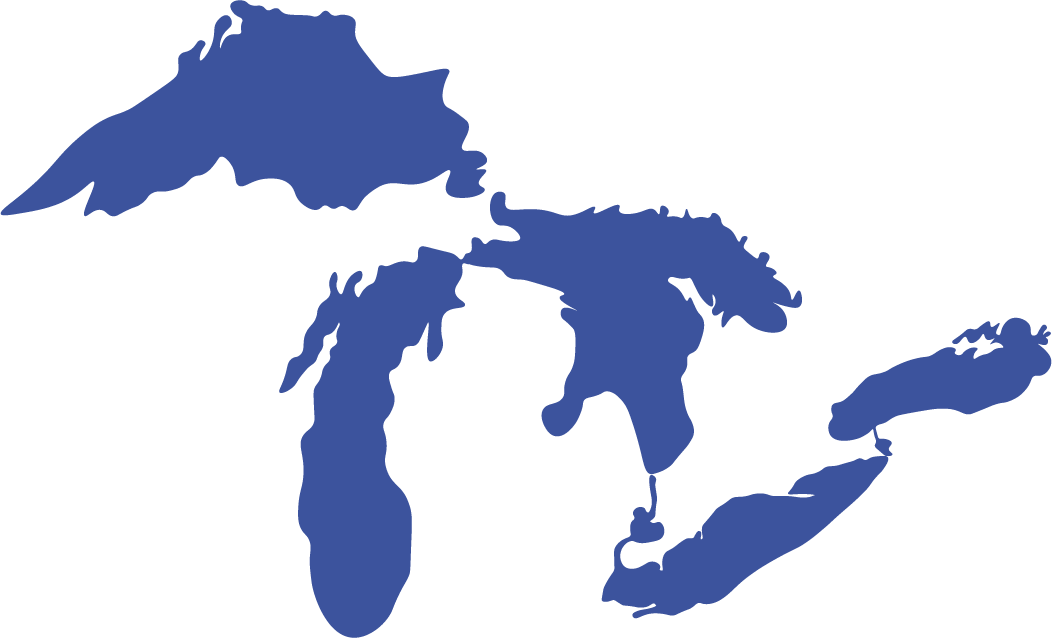
Great Lakes data saves lives, powers economies, and connects communities across nations. GLOS exists to make that data accessible to everyone who needs it.
Jennifer Boehme, PhD
GLOS CEO

The Five Impact Area Priorities

PUBLIC HEALTH AND SAFETY — From rip currents to harmful algal blooms, timely lake conditions data protects the millions of people who live, work, and recreate on the Great Lakes each year.
MARITIME OPERATIONS — Commercial shipping, harbor pilots, and charter operators depend on accurate, real-time wind, wave, and water level data to keep vessels and cargo moving safely.
WATER SECURITY — Drinking water for 40+ million people originates in the Great Lakes. GLOS and its partners supply water quality data that supports water treatment managers, beach operators, and public health agencies to protect this vital resource and ensure safe water for communities, agriculture, and industry.
ECOSYSTEM HEALTH — The Great Lakes are home to 3,500+ species and support a $6 trillion regional economy. Monitoring biological and chemical parameters informs sustainable fisheries, habitat management, and conservation.
COASTAL RESILIENCE — Communities around the lakes face intensifying weather, flooding, and infrastructure stress. GLOS provides the observing foundation that enables proactive, data-informed responses.
The GLOS System
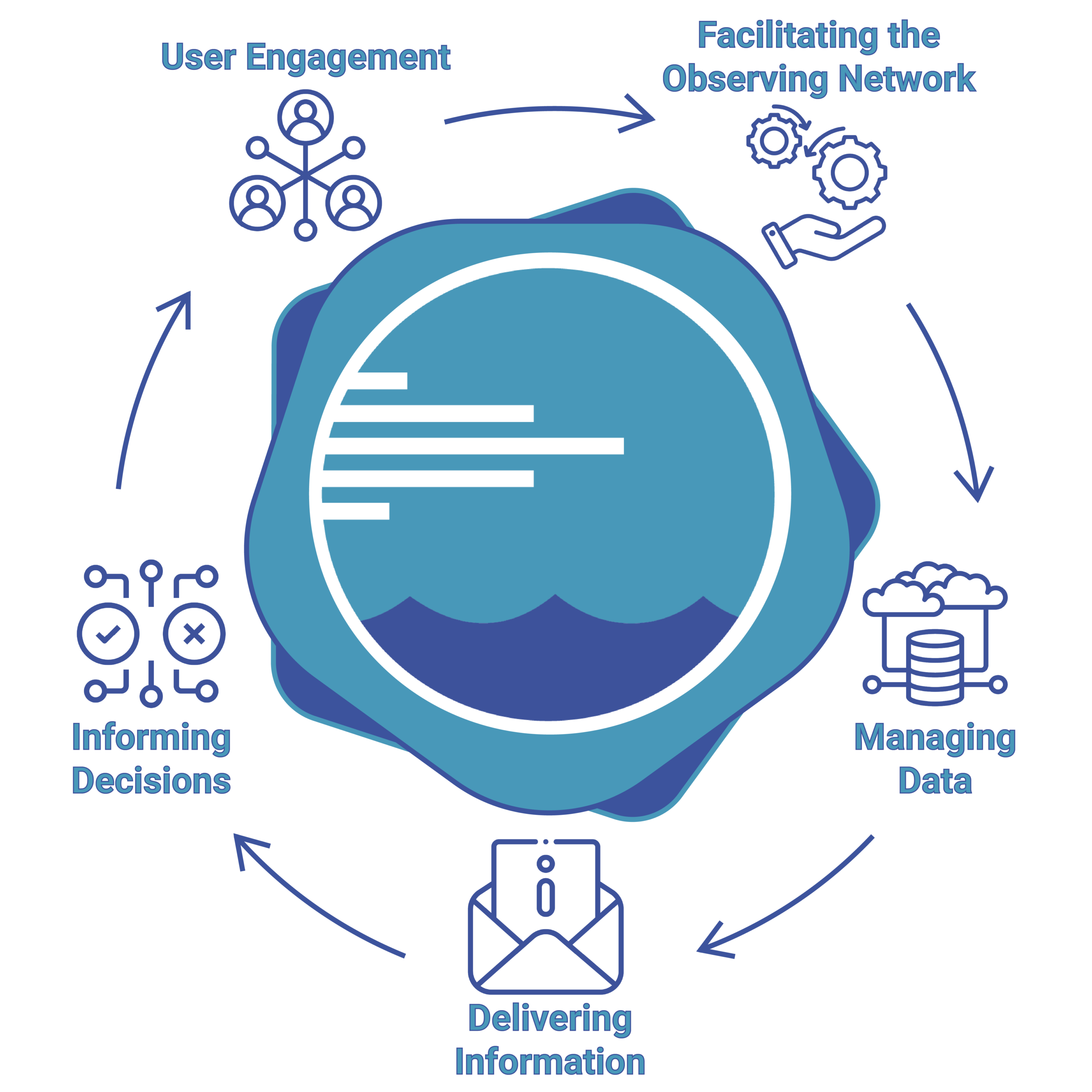
PARTNERSHIPS · COLLABORATION · MULTINATIONAL COORDINATION
Our process begins with understanding user needs, which shape what we observe and how we deliver it. Standards-based data management ensures quality and accessibility. Outputs become products that put actionable information in people’s hands.
Key Focus Areas
GLOS has identified three Key Focus Areas that structure our strategic approach to serving the Great Lakes region.
Key Focus Area 1:
SUPPORT A RESILIENT GREAT LAKES
Building resilience across the Great Lakes region requires enhanced decision support capabilities, innovative observing systems, and strong leadership in data and information services.

Priority Goal 1: Advancing Decision Support
We will improve decision-making capabilities across the region by enhancing both health-based and maritime decision support systems.
- Make real-time lake conditions accessible and meaningful for everyone who depends on them
- Integrate Artificial Intelligence (AI) and Machine Learning to power models and predictive tools for hazardous conditions
- Build mobile-first interfaces for field users and the public

Priority Goal 2: Lead Observing and Information Innovation
GLOS will position itself as the premier source for Great Lakes data and the leader in observing system innovation.
- Integrate emerging sensor technologies
- Expand real-time network coverage through ‘Internet of Things’ sensors and autonomous systems

Key Focus Area 2:
GROW AND SUSTAIN THE GREAT LAKES OBSERVING SYSTEM ENTERPRISE
Building a sustainable observing system enterprise requires strategic investments in technology, infrastructure, and organizational capacity.
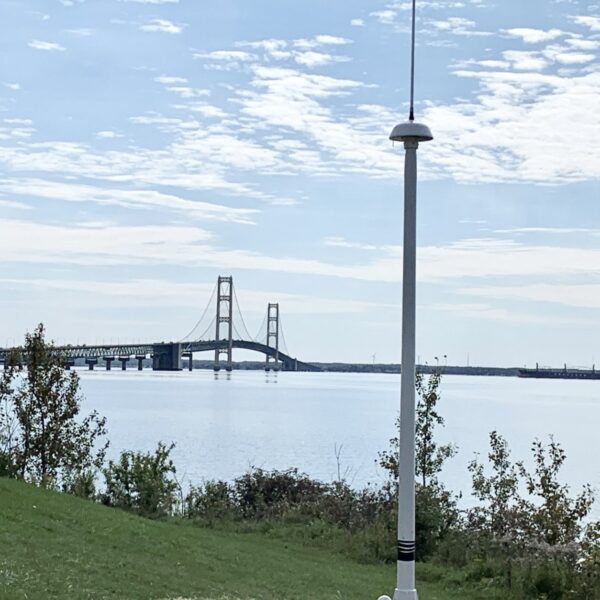
Priority Goal 3: Invest in Technology to Acquire, Distribute and Display Information
We will modernize and future-proof GLOS technology infrastructure to meet evolving user needs.
- Maintain cloud-native architecture for scalability and reliability
- Build application programming interface (API) ecosystems enabling third-party innovation and commercial integration
- Invest in mobile and AI-enabled tools that make complex lake data simple and accessible
Priority Goal 4: Maintain GLOS Organizational Capacity
GLOS will grow the capacity of the organization to empower staff to efficiently execute projects and grant programming.
- Diversify funding to increase organizational capacity
- Strengthen organizational infrastructure
- Execute grants effectively
- Strengthen staff with training and development
Key Focus Area 3:
CONNECT GREAT LAKES COMMUNITIES AND ECOSYSTEMS
Connecting communities with ecosystems requires understanding and responding to diverse needs while building sustainable support.
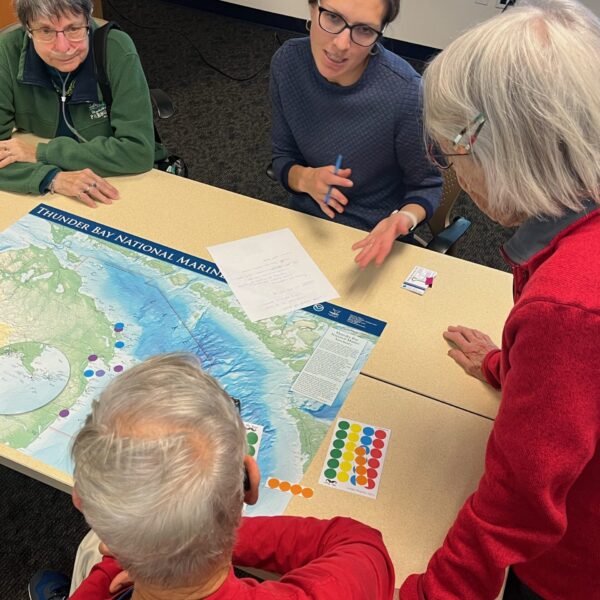
Priority Goal 5: Assessing and Responding to GLOS Community Needs
We will develop a deep understanding of community needs and create responsive solutions.
- Conduct ongoing user research across recreational, commercial, and Indigenous communities to inform network and product development
- Foster communities of practice to direct future science and innovation for new observing technologies, improve the way people learn about and respond to lake events, and inform critical policy
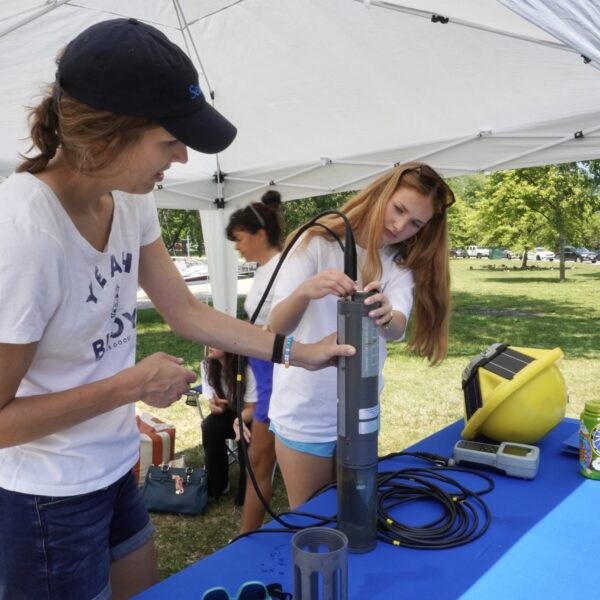
Priority Goal 6: Promote Effective Outreach and Engagement
GLOS strategic communications will drive engagement and partner collaboration to most effectively reach users.
- Implement comprehensive communication strategy to enhance engagement
- Enhance user and community engagement through collaboration and partnerships