
Recognition of 20 Years of GLOS continues with some insights from former Chief Operations Officer, Becky Pearson. Becky was with GLOS for eight years, from 2016-2024. While at GLOS, Becky worked as a Program Manager, the Chief Operations Officer, and acted as Interim CEO for nine months in 2023.
Becky was a crucial part of shaping GLOS’ success, yet something she always notes as ‘the most wonderful thing about GLOS’ is that it is more than just the immediate staff,
“it is the larger, participatory network that makes the observing system the observing system.”
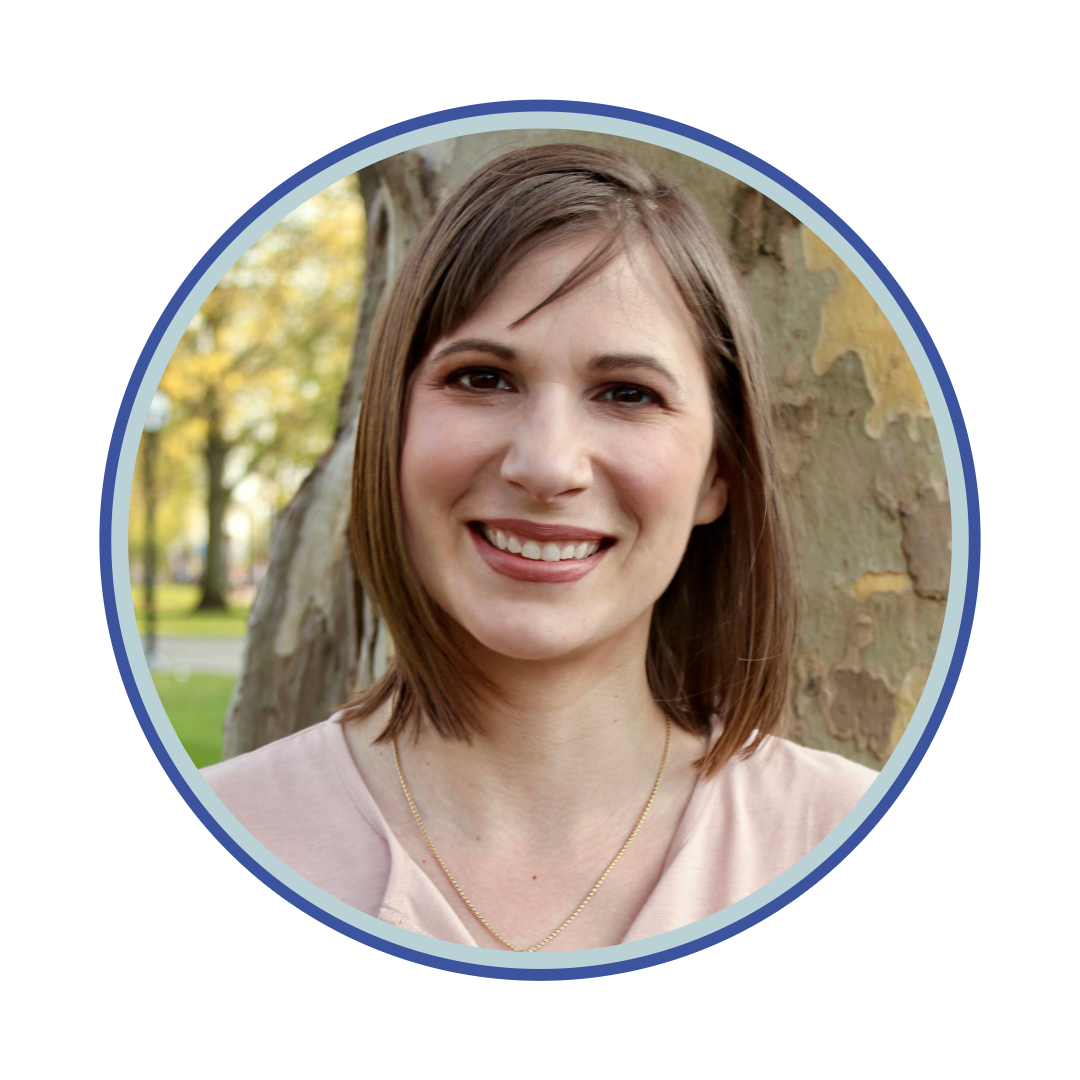
Becky met with GLOS Communications Specialist Sam Johnson back in December 2025. Here are Becky’s reflections on GLOS, from that conversation:
Sam: What do you see as GLOS’ greatest strength?
Becky:
“I think there are three strengths.
One is being scrappy: doing a lot with little, in terms of financial resources. That quality echoes within the observing community. All those little programs within the universities are also scrappy in some ways. They scrap things together, and if there is an issue, they come together and look at it.
The other quality that GLOS really exudes is creativity, in many things. Whether it’s the observing program or keeping up Seagull, or communicating with the public on very research heavy topics. I appreciate the creativity in running the organization and conveying scientific concepts in an imaginative, innovative way.
Last, GLOS has been pushing the envelope of innovation over the past five years with the development and launch of Seagull as its IT data sharing platform. I am thrilled to have been a part of this effort, and love to see new Seagull users unlock the platform’s potential.”
Sam: What was it about GLOS that you most enjoyed?
Becky:
“I liked being part of a small team that was able to create something that was very public facing. I love that. Being in the middle of it was really fun, [while] working with the people that I did. Small team, big impact.
Additionally, I love being part of the network of researchers that observe the Great Lakes. The devotion of this research community to understanding and protecting the Great Lakes is truly evident.”
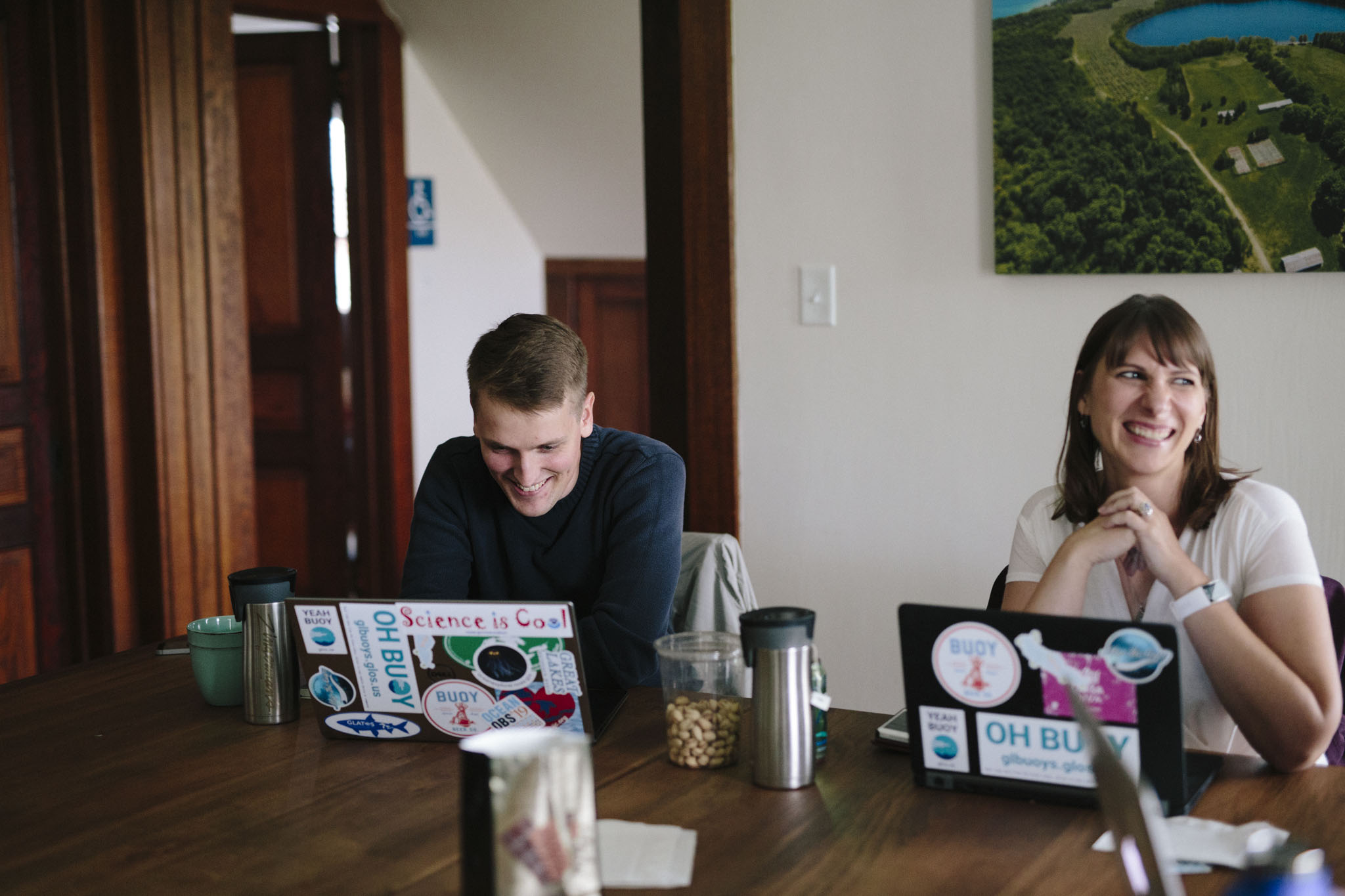
Becky Pearson (right) at the 2019 GLOS Staff Retreat. Also pictured: David Fitch, former GLOS Communications Specialist (left).
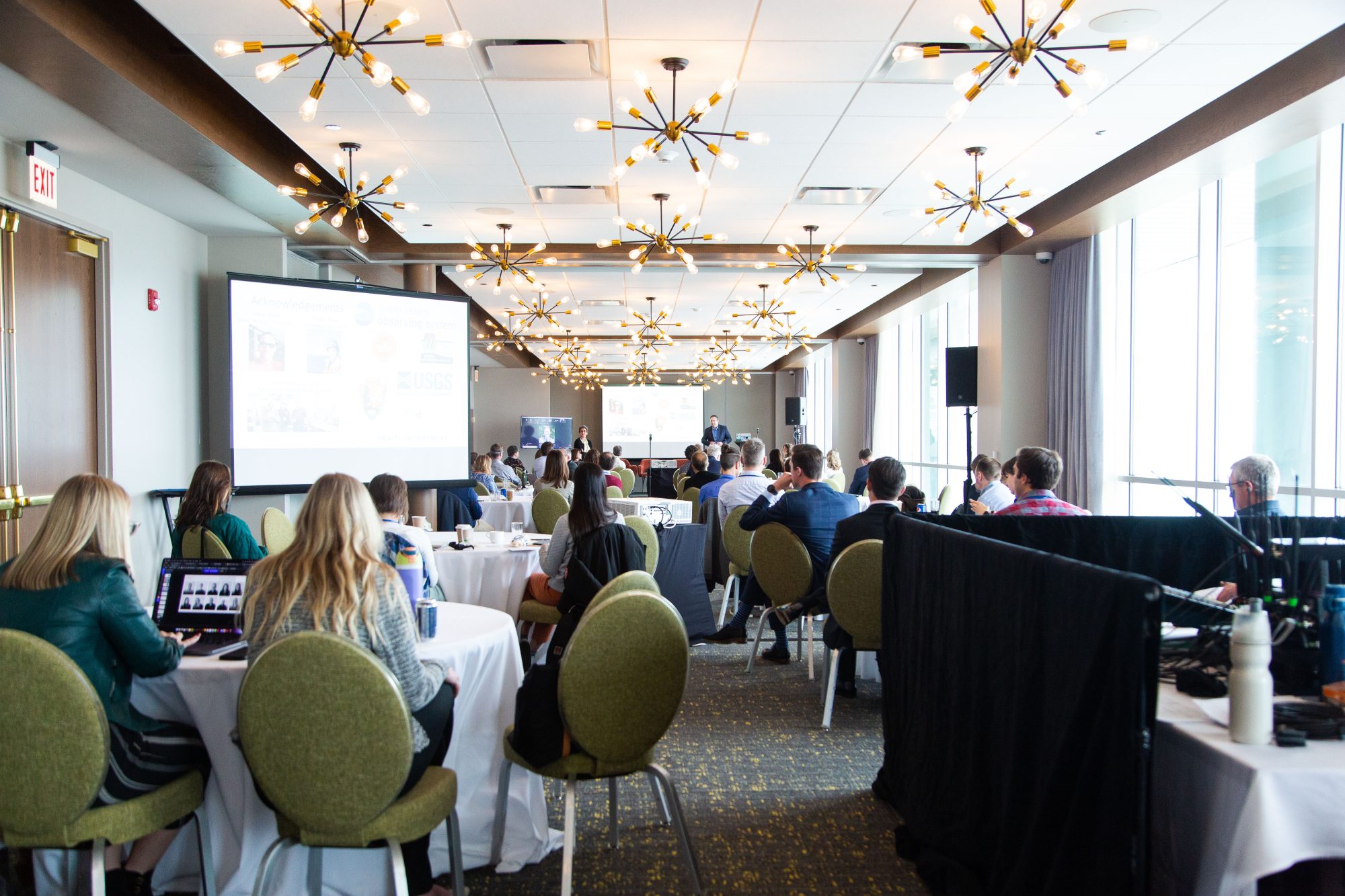
A photo from the GLOS-hosted ‘Glosapalooza’ gathering in Chicago, IL, April 2022.
Sam: Are there any particular moments or milestone markers that stand out in your memory?
Becky:
“Glosapalooza.
It was really fun and enjoyable to celebrate something as big as releasing Seagull. There were a lot of people in Chicago, at our celebration on Navy Pier.
Also memorable was visiting the data hotel that Sturgeon* was in. Sturgeon was actually in really big servers on a rack. I believe it was a half rack. [With most things using] cloud-based storage today, it’s funny to think about how it used to be. I mean, it still is in some cases, but then, [we could say] this is our product right here on a rack.”
Sam: How has the Great Lakes differed, as a regional association, from the other Regional Associations (RAs) within the Integrated Ocean Observing (IOOS) network?
Becky:
“There are obvious differences for sure on the water, but then thinking about the different approaches to that data sharing and data management.
Without a doubt the biggest difference is that we drink the water in the Great Lakes region. No other RA within the IOOS network does that. This fact brings up a level of public health concern that no other RA has.”
Sam: Where do you see the organization going from here?
Becky:
“Gosh, I’m pretty sure everybody’s saying ‘it’s going to incorporate AI’, because that’s the new thing to do. And, I think it’s just going to get more functionality and sophistication, with all the other technology. Developed in tandem, hopefully that’s the case.
There’s always the timeless consistencies of beach safety. GLOS [can] continue to fill [that need] year in and year out.
There’s a lot of potential with cheaper, smaller tech. These technology innovations will maybe help expand the network to more observers in the future. Regardless, as much as technology evolves, I hope that GLOS rides those waves as efficiently and creatively as possible.”
Sam: Are you still involved with Great Lakes or regional watershed work? How do you stay engaged with the water either professionally or personally?
Becky:
“Yes. I am the Project Manager for the University of Michigan’s Global Center for Climate Change and Transboundary Waters.
Among many research interests, the Global Center is currently working on manoomin, and one of my dreams is that we start developing an environmental monitoring network for those new manoomin beds, as it is a keystone species for healthy coastal wetlands. We are also expanding our reach in Africa, and possibly South America and Southeast Asia.”
*former GLOS database, now decommissioned
Thanks, Becky! Your many years with GLOS were unquestionably critical to the organization’s success and longevity.